
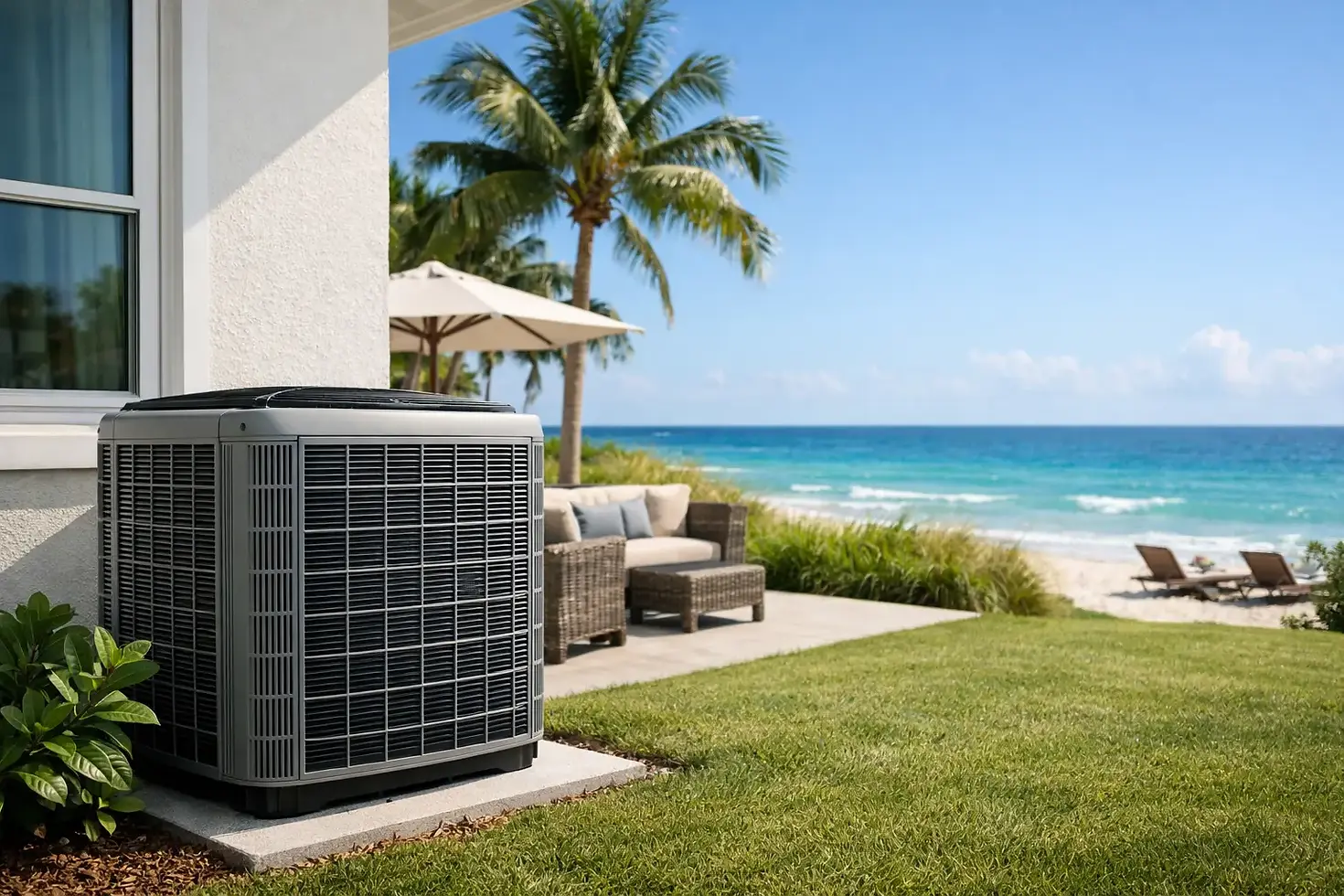
Best AC Units for Coastal Homes in South Florida
- completeenvirosolu
- 3 days ago
- 5 min read
Salt air does not need to be visible to cause trouble. In Jupiter, Singer Island, and across the Palm Beaches, it settles onto outdoor AC equipment day after day. That is why choosing the best ac units for coastal homes is about more than finding a high-efficiency rating or a familiar brand name. The right system has to cool your family reliably through a long South Florida summer while standing up to heat, humidity, rain, and corrosive coastal conditions.
For most homeowners near the water, the best choice is a properly sized, professionally installed central heat pump or air conditioner with coastal-protection features and a maintenance plan to match. The details matter. A good system on paper can have a short, expensive life if it is oversized, installed poorly, or left exposed to salt buildup.
What Makes an AC Unit Coastal-Ready?
Every outdoor condenser faces weather, but coastal equipment works harder. Salt can collect on the coil, cabinet, fasteners, electrical connections, and fan components. Over time, that exposure may contribute to corrosion, restricted airflow, reduced efficiency, and premature repairs.
Look for an outdoor unit designed with corrosion resistance in mind. Features can include coated condenser coils, durable cabinet finishes, corrosion-resistant hardware, and protected electrical components. These features are especially valuable for homes close to the Intracoastal Waterway or oceanfront properties, where salt exposure is often more concentrated.
Coastal protection is not a substitute for maintenance. Even a well-built unit benefits from regular professional cleaning and inspection. Homeowners should also keep landscaping, pool chemicals, fertilizer, and sprinkler spray away from the condenser. Those conditions can be hard on outdoor equipment, too.
The Best AC Units for Coastal Homes: 3 Smart Options
There is no single “best” unit for every Palm Beach County home. Square footage, insulation, ductwork, family routines, budget, and proximity to the coast all affect the recommendation. Still, these system types are often strong choices for local homeowners.
Variable-Speed Central Heat Pumps
A variable-speed heat pump is often an excellent fit for a primary residence in South Florida. Instead of running only at full power, it can operate at lower speeds for longer periods when conditions allow. That steadier operation can improve comfort, reduce temperature swings, and help remove more humidity from the air.
Humidity control matters as much as cold air in a coastal home. A system that cools too quickly may satisfy the thermostat but leave the house feeling damp. Variable-speed equipment can run more consistently at lower output, helping create a more comfortable indoor environment.
The trade-off is upfront cost. Variable-speed systems generally cost more than basic single-stage models, and the installation needs to be done correctly to get the intended benefit. For a year-round home where comfort, quieter operation, and efficiency are priorities, the investment can make sense.
Two-Stage Central AC Systems
A two-stage AC system provides a practical middle ground. It has a lower setting for milder demand and a higher setting for the hottest afternoons. For many families, this offers better humidity control and more even cooling than a single-stage unit without the higher price of a fully variable-speed system.
Two-stage equipment can be a smart option when replacing an aging system in a home with existing ductwork that is in good condition. It is also worth considering for homeowners who want meaningful comfort improvements while keeping the project budget in a more moderate range.
As with any central system, coastal durability depends on the specific outdoor-unit construction, correct placement, and routine care. Ask your contractor which coil coating and cabinet-protection options are available for the equipment being quoted.
Ductless Mini-Splits for Additions and Problem Rooms
Ductless mini-splits are not usually a whole-home replacement for a large, ducted house, but they can be one of the best AC solutions for a specific space. They work well in converted garages, guest suites, home offices, sunrooms, and room additions where the existing system cannot keep up.
Many ductless systems use inverter-driven technology, which adjusts output as cooling needs change. That can deliver quiet operation and efficient, targeted comfort. It also avoids extending ductwork through an area where doing so would be difficult or costly.
A mini-split outdoor unit is still exposed to salt air, so coastal considerations remain. Proper location, corrosion-resistant components, and scheduled service are just as important as they are with central equipment.
Efficiency Ratings Matter, But Sizing Matters More
It is easy to focus on SEER2 ratings when comparing equipment. Higher-efficiency systems can reduce energy use, particularly when the AC runs much of the year. But a high rating does not fix an oversized or undersized system.
An oversized AC may cool the home quickly and shut off before removing enough moisture. It can also cycle on and off more often, increasing wear on components. An undersized system may run continuously during peak heat and still struggle to maintain your preferred temperature.
A dependable recommendation starts with a proper load calculation. Your HVAC professional should consider the home’s square footage, ceiling height, window exposure, insulation, occupancy, duct condition, and other real-world factors. Replacing a five-ton unit with another five-ton unit simply because that is what was there is not always the right answer.
Protecting Your Outdoor Unit Near the Coast
The installation location can help extend equipment life. The condenser needs open airflow, service access, and a stable base. It should not be tucked into a tight enclosure or placed where dryer vents, irrigation, or pool equipment discharge directly onto it.
A shade structure may reduce direct sun exposure, but it must never block airflow. Avoid wrapping or covering the unit while it is operating. During a storm threat, follow manufacturer instructions and your contractor’s guidance rather than using a cover that could trap moisture or create a safety issue.
For coastal homes, regular service is a practical form of protection. A maintenance visit can identify early corrosion, clean the coil as appropriate, check refrigerant performance, inspect electrical connections, and confirm the system is draining properly. In South Florida, a clogged condensate drain is not a small inconvenience - it can lead to water damage and indoor humidity problems.
Do Not Overlook Indoor Air Quality
A new AC system should support more than a lower thermostat setting. Coastal humidity, closed windows, pets, cooking, and everyday household activity all affect indoor air. The right filtration setup and, when appropriate, indoor air quality testing can help identify concerns that a new condenser alone will not solve.
The filter has to fit correctly and be changed on schedule. A filter that is too restrictive for the system can reduce airflow, while a poorly fitting filter allows unfiltered air to bypass it. Custom-made filters can be useful for homes with uncommon return-grille sizes.
If someone in the household has allergies, respiratory sensitivities, or concerns about musty odors, discuss those needs before selecting equipment. The goal is a cooling system that manages temperature and moisture without sacrificing airflow.
Questions to Ask Before You Buy
Before approving an installation, ask whether the proposed unit includes coastal corrosion protection, how the contractor determined the correct size, and what maintenance is recommended for your location. You should also ask about warranty terms, expected electrical upgrades, thermostat compatibility, and whether the existing ductwork needs repair or sealing.
A clear proposal should explain what is included, not leave you guessing about pads, drains, electrical work, permits, startup, or removal of old equipment. The lowest initial quote is not always the lowest-cost decision if important installation details are missing.
For homeowners in Jupiter and nearby communities, Complete Environmental Solutions can evaluate your home, explain the equipment options in plain language, and help you select a system built for the way your family lives. A free quote gives you a practical starting point before summer demand or an unexpected breakdown forces a rushed decision.
The best time to plan for a coastal AC replacement is when your current system is still keeping up. You have time to compare options, protect your investment, and choose comfort that will be there when the next humid afternoon arrives.


Comments