
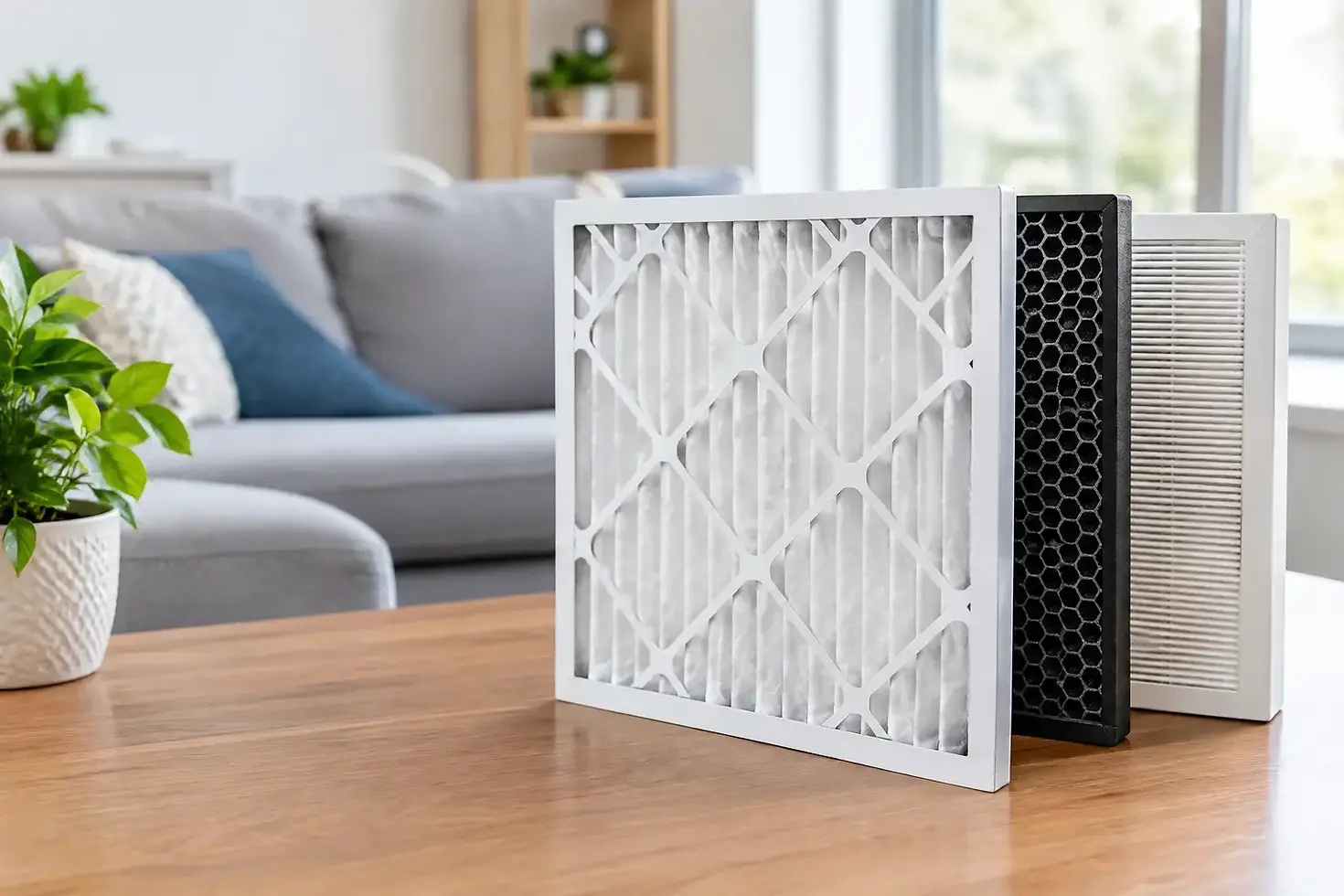
Are Custom Air Filters Worth It for Your Home?
A filter that is even slightly too small can leave gaps around the frame, allowing unfiltered air to move around it instead of through it. In a South Florida home where the AC runs hard for much of the year, that small problem can add up quickly. So, are custom air filters worth it? For many homeowners, the answer is yes - especially when standard sizes do not fit tightly, indoor air quality is a concern, or the HVAC system needs better protection from dust and debris.
Custom filters are not automatically the right choice for every home. If a readily available filter fits your return grille properly and your system is performing well, a quality standard-size filter may be all you need. The value of a custom-made filter comes from getting the fit, filtration level, and replacement schedule right for your specific home.
What makes a custom air filter different?
A custom air filter is made to the actual dimensions your HVAC system needs rather than forcing a near-match from a store shelf. This is especially useful in homes with older equipment, nonstandard return openings, specialty grilles, or filter cabinets that use unusual sizes.
The goal is simple: the filter should sit securely in place with no open space around the edges. When air takes the easier path around a loose filter, dust, pollen, pet dander, and other particles can enter the system. Those particles can settle on internal components, circulate through the home, and make the system work harder than it should.
A made-to-fit filter can also give you more choice. Rather than buying whatever filtration level happens to be stocked locally, you can select a filter that balances cleaner air with the airflow your particular AC system can handle.
When custom air filters are worth it
Custom filters tend to make the most sense when a standard filter creates a visible gap, bows under airflow, falls out of place, or must be trimmed to fit. A filter should not need cardboard, tape, or guesswork to stay in its track. Those are signs that the size is wrong.
They can also be a smart investment for households dealing with persistent dust, allergies, pets, construction nearby, or seasonal pollen. Jupiter, The Palm Beaches, and Singer Island homes often contend with open windows during pleasant weather, sandy conditions, humidity, and frequent HVAC use. All of that can increase what your system pulls in.
Homeowners with high-efficiency equipment should pay attention as well. Modern systems are designed for dependable, efficient cooling, but they still need proper airflow. A correctly sized filter helps protect the equipment without creating unnecessary strain.
If you own a vacation property or split time between homes, custom filters can be especially helpful because they make filter replacement more consistent. Keeping the correct size on hand removes one more maintenance item from the list when you arrive or when a service visit is scheduled.
Better fit means better HVAC protection
Your air filter is the first line of defense for the indoor portion of your cooling system. Its job is not just to make the air look cleaner. It helps keep dirt from building up on the blower, evaporator coil, and other parts that need unobstructed airflow to operate properly.
When dust collects on an evaporator coil, the system may have difficulty absorbing heat from your home. That can lead to longer run times, reduced comfort, and higher energy use. In severe cases, restricted airflow can contribute to frozen coils or other service issues.
A custom filter cannot prevent every HVAC problem, but it can reduce the amount of debris that reaches sensitive components. That matters in Florida, where air conditioners often run long hours during the hottest and most humid months. Protecting the system between maintenance visits is a practical way to support its performance and longevity.
The filtration trade-off homeowners should understand
More filtration is not always better. This is the part of the decision that homeowners should not overlook.
Filters are commonly rated by MERV, which indicates how effectively they capture particles of different sizes. A higher MERV rating can trap more fine particles, but it may also create more resistance to airflow. If the filter is too restrictive for the system, your AC may struggle to move enough air through the home.
That is why the best filter is not necessarily the thickest or highest-rated option available. It is the one that fits correctly and provides the level of filtration your household needs without putting undue stress on the equipment.
For many homes, a mid-range filter offers a sensible balance between everyday dust control and healthy airflow. Families with allergy concerns, pets, or specific air quality needs may benefit from a higher-performing option, but the system should be evaluated before making that change. An HVAC professional can check your equipment, return setup, and airflow needs before recommending a filter type.
Are custom air filters worth the added cost?
Custom filters generally cost more than a common off-the-shelf size. The real question is whether that additional cost solves a problem.
If your current filter fits perfectly, is easy to replace, and provides appropriate filtration, switching to custom may not deliver a dramatic difference. There is no reason to pay more just because a product is custom.
But when your existing filter leaves gaps or is difficult to source, the added cost can be worthwhile. A proper fit can help reduce bypass, keep the system cleaner, and make routine maintenance easier. Compared with the cost of avoidable repairs, inefficient operation, or repeated trips to find an odd-sized filter, custom sizing can be a practical choice.
Think of it as part of protecting a larger investment. Your HVAC system is responsible for comfort through hot, humid days, overnight temperature changes, and family gatherings when the house is full. A filter that fits properly is a relatively small part of keeping that system dependable.
Signs your home may need a custom filter
You may be a good candidate for custom filtration if the filter rattles, slides around, or leaves open edges in the return. Excessive dust returning shortly after cleaning can also point to an air filtration issue, although duct leakage, poor return placement, and other factors may be involved.
Frequent filter changes can be another clue. In a home with pets, active children, frequent cooking, or doors opening and closing often, filters may load up faster. The answer is not always a more restrictive filter. Sometimes a better-fitting filter, a different depth, or a broader indoor air quality plan is the better solution.
Musty odors, uneven cooling, visible debris around vents, and repeated AC airflow concerns deserve professional attention. A filter can contribute to those issues, but it is rarely the only possible cause. A hands-on inspection is more useful than guessing based on filter packaging alone.
How often should you replace a custom filter?
Replacement timing depends on the filter type, its depth, household activity, pets, and how much the AC runs. A one-inch filter may need attention monthly or every couple of months, while deeper media filters can often last longer. The label provides a starting point, not a guarantee.
Check the filter regularly, particularly during summer. If it looks heavily loaded with dust or the system seems to have reduced airflow, replace it sooner. Do not wait until the filter is visibly caked over. A clean filter supports airflow, while an overloaded one can make your system work harder.
It also helps to write the installation date on the frame. That small habit prevents a common problem: assuming the filter was changed recently when no one is quite sure.
Get the fit checked before you decide
Before ordering custom filters, measure carefully. Filter labels often use nominal dimensions, which can differ from the filter's actual size. Measure the existing filter if it fits well, or measure the filter track and return opening if it does not. Small fractions of an inch matter.
For homeowners who want a clear answer without trial and error, Complete Environmental Solutions can evaluate the filter setup as part of a broader HVAC or indoor air quality discussion. The right recommendation should account for the home, the equipment, the people living there, and the concerns you are trying to solve.
A custom air filter is not a magic fix, and it does not replace regular HVAC maintenance. But when it closes gaps, supports proper airflow, and matches your household's air quality needs, it is a straightforward upgrade that helps your home feel cleaner and your AC system stay better protected.


Comments